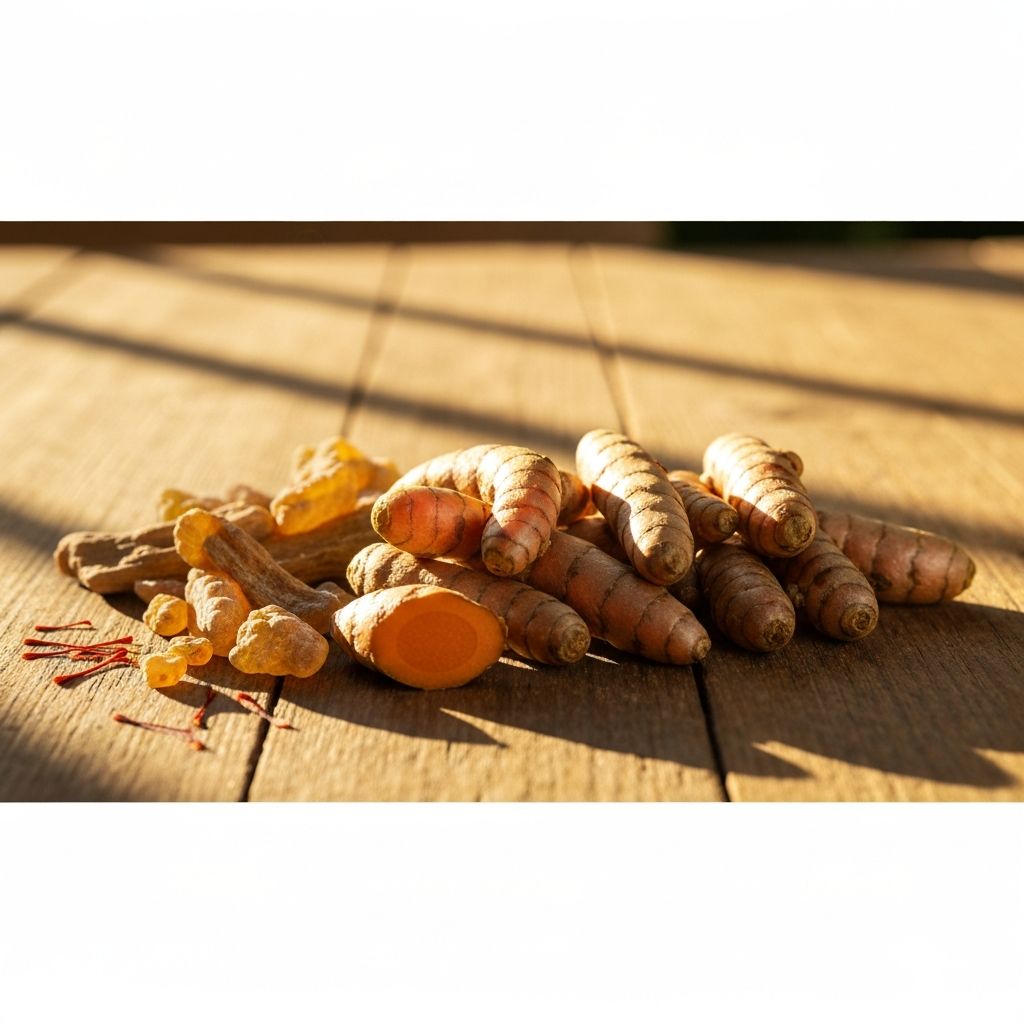
Educational content only. No promises of outcomes.
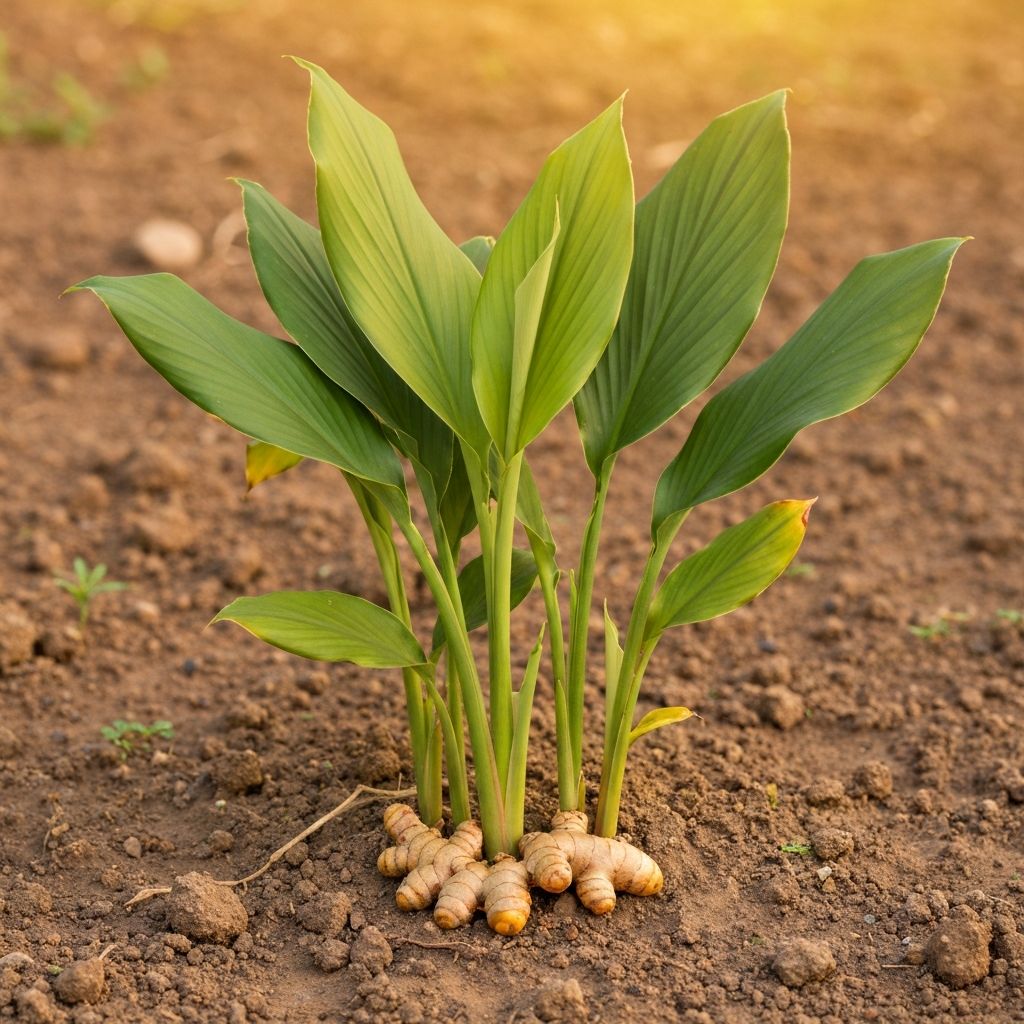
Curcuma longa Rhizome
Curcuma longa, commonly known as turmeric, has been cultivated for millennia across the Indian subcontinent and Southeast Asia. The rhizome—the underground stem—contains vibrant golden compounds and has traveled through Mediterranean trade routes, becoming integral to regional herbal knowledge.
In Mediterranean contexts, Curcuma longa gained prominence through Arab merchants and later European traders. The plant thrives in warm climates and has been documented in historical texts as a valued botanical resource for traditional daily practices.
Explore traditional context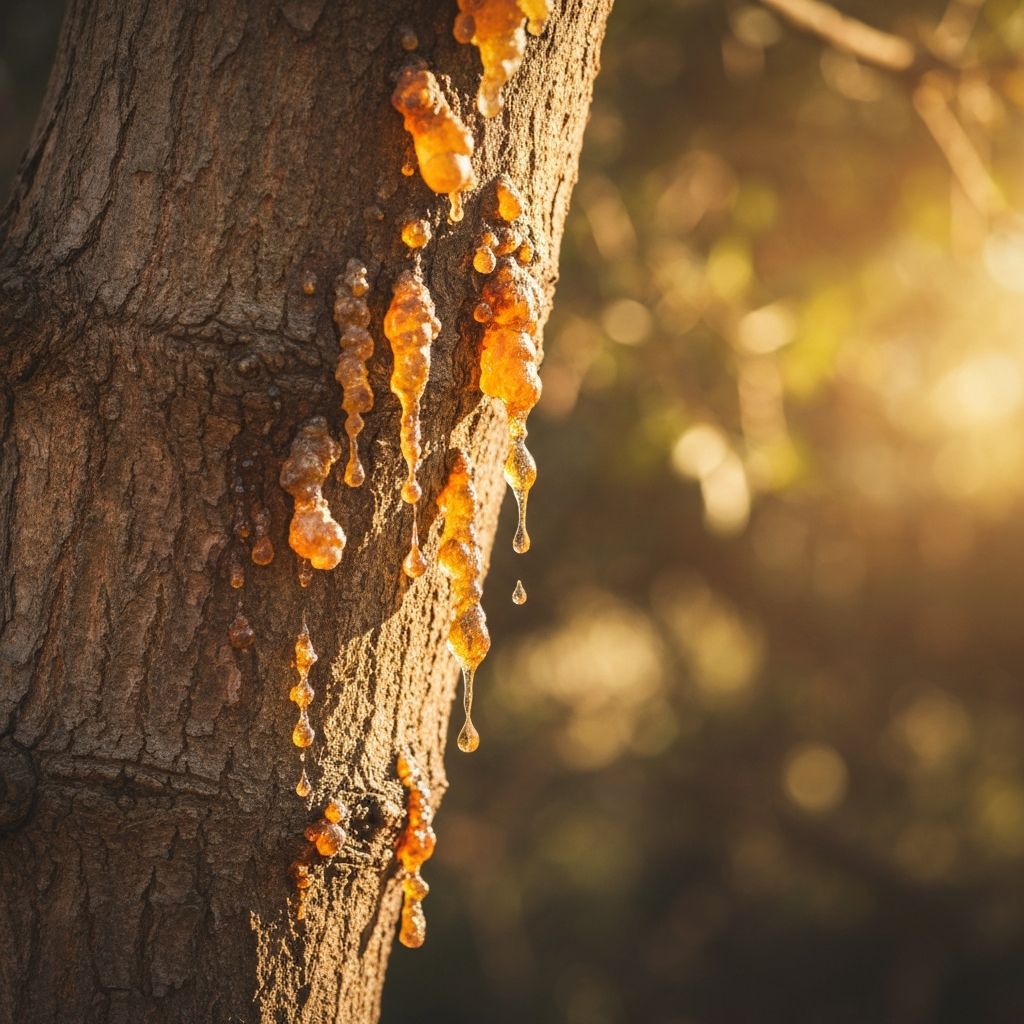
Boswellia serrata Resin
Boswellia serrata is a tree native to the dry regions of the Arabian Peninsula and India. Its resin, known as frankincense when referring to related species, has been harvested for thousands of years and holds profound significance in Mediterranean and Middle Eastern traditions.
The resin naturally exudes from the tree bark and has been collected through traditional methods documented since ancient times. Boswellia's aromatic and chemical profile made it a cornerstone of historical trade networks connecting Mediterranean ports with the Orient.
View botanical informationTraditional Preparation Practices
Historical records show diverse methods of preparing Curcuma longa and Boswellia serrata. Rhizomes were traditionally milled into fine golden powder using stone mortars, a method still practiced in many Mediterranean communities. The powder was incorporated into daily practices through infusions, pastes, and ceremonial preparations.
Boswellia resin was purified by gently heating to release impurities, then cooled into tear-shaped pieces. Traditional preparation involved inhalation of the aromatic resin smoke—a practice documented in ancient Mediterranean and Middle Eastern texts—and incorporation into oil-based preparations for topical application in folk methods.
Learn more about the plantsPrincipal Phytochemicals
Curcuma longa contains curcuminoids—a family of polyphenolic compounds. The primary forms include curcumin, demethoxycurcumin, and bisdemethoxycurcumin. These structures have been identified through modern botanical analysis and represent the characteristic chemical profile of the rhizome.
Boswellia serrata resin contains boswellic acids, a distinct class of triterpenic acids. The most notable forms include acetyl-11-keto-β-boswellic acid (AKBA) and β-boswellic acid. These compounds define the resin's chemical identity and have been documented in traditional botanical literature and modern phytochemical studies.
Read botanical profiles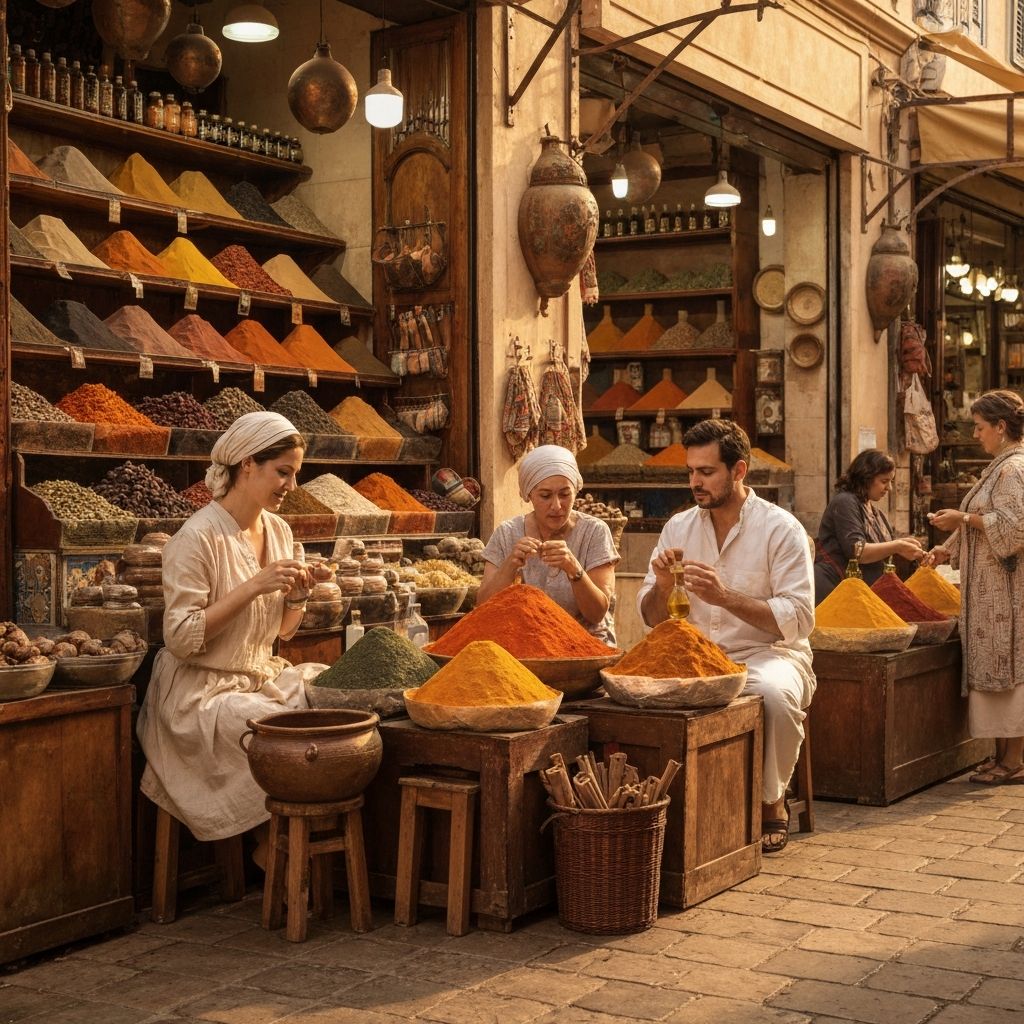
Cultural Integration in Mediterranean Wellness
Throughout Mediterranean history, Curcuma longa and Boswellia serrata have held roles in daily comfort rituals and general wellness practices. Historical texts from Greece, Rome, and the Levantine regions document their use in ceremonial preparations, household remedies, and seasonal practices aligned with regional climates.
These plants represented more than botanical resources—they symbolized cultural exchange, trade relationships, and the integration of knowledge across diverse communities. Their presence in Mediterranean wellness traditions reflects centuries of accumulated observation and cultural transmission.
Explore botanical profilesCombined Use in Traditional Blends
Historical practice demonstrates the pairing of Curcuma longa and Boswellia serrata with complementary regional botanicals. Mediterranean herbalists traditionally combined turmeric with black pepper, ginger, and local aromatics to create complex preparations. Such blends represent accumulated regional knowledge about plant synergies in traditional wellness contexts.
These combinations were prepared using methods suited to Mediterranean climates and available resources. Pastes, infusions, and oil-based preparations showcased the practical integration of multiple botanical elements, reflecting the cultural heritage of herbal preparation across Mediterranean and Middle Eastern traditions.
Diaphragmatic Breathing for Physical Ease
Traditional Mediterranean wellness practices included breathing techniques rooted in ancient Greek and Eastern philosophies. Diaphragmatic breathing—drawing breath deeply into the abdomen—represents a foundational practice documented across cultures for promoting physical ease and mental clarity.
These methods were often integrated with aromatic preparations, particularly with Boswellia resin inhalation. The combination of controlled breathing patterns and aromatic exposure formed part of daily wellness routines in historical Mediterranean communities.
Learn more about practices
Brief Relaxation Techniques
Historical Mediterranean traditions documented simple body awareness methods for promoting relaxation and physical comfort. These techniques emphasized gentle, intentional awareness of bodily sensations—practices that complemented the use of aromatic botanicals and supported general wellness rituals.
Such methods were part of broader cultural practices aimed at maintaining balance in daily life. Documentation from ancient Mediterranean sources reveals that relaxation practices were integrated with herbal preparation and consumption as complementary elements of a holistic wellness approach.
Explore traditional contextGeneral Insights on Spice & Resin Diversity
Natural aromatics—including spices and resins like Curcuma longa and Boswellia serrata—have played central roles in Mediterranean and global cultures for millennia. These plant materials represent humanity's long engagement with botanical knowledge, trade networks, and the integration of natural resources into daily life and ceremonial practice.
The diversity of spices and resins reflects regional adaptation, cultural exchange, and the accumulation of empirical knowledge across generations. Understanding this botanical heritage provides context for appreciating how traditional communities approached wellness, flavor, aroma, and the broader question of living well within natural and cultural frameworks.
Informational Context & Limitations
All materials on this site are strictly educational in nature. They do not constitute medical, nutritional, therapeutic, or health advice. Information presented here is drawn from historical texts, botanical references, and cultural traditions—not clinical studies or medical recommendations.
This content has no individual recommendation component. The materials describe general botanical and historical information without addressing personal circumstances, health conditions, or individual needs. Different approaches to daily wellness exist, and personal decisions should be informed by qualified healthcare professionals.
No outcomes are promised or implied. Use of traditional botanicals varies widely across cultures and individuals, and this site provides context only—not guidance for personal application.